Transmission Lines & Energy Foundations
Engineering Scopes
Geotechnical engineering, foundation design, and overhead line analysis for North American utility projects, including transmission corridors up to 500 kV and renewable-energy interconnections.
My Role
- Corridor Screening & Tower Spotting. Combine engineering geological and hydrogeological information with GIS analysis and remote sensing data to assess terrain, subsurface, and groundwater constraints for route selection and tower spotting.
- Subsurface Investigation & Owner’s Engineer Reviews. Prepare geotechnical scopes of work, plan targeted borehole investigations, and review third-party geotechnical reports, foundation design bases, and contractor submittals as Owner’s Engineer (OE).
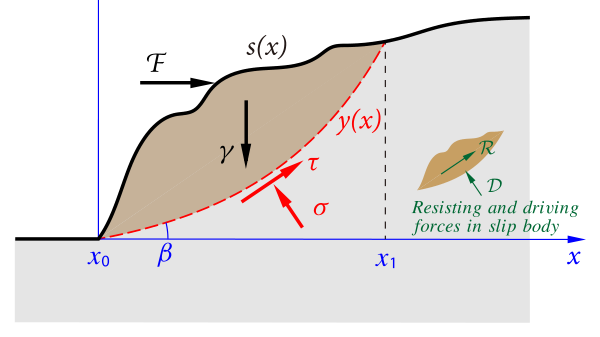
- Foundation Analysis & Design. Develop site-specific design parameters and design shallow and deep foundations, using LPILE for lateral pile response and checking axial capacity, frost heave, and overturning under wind and ice loads.
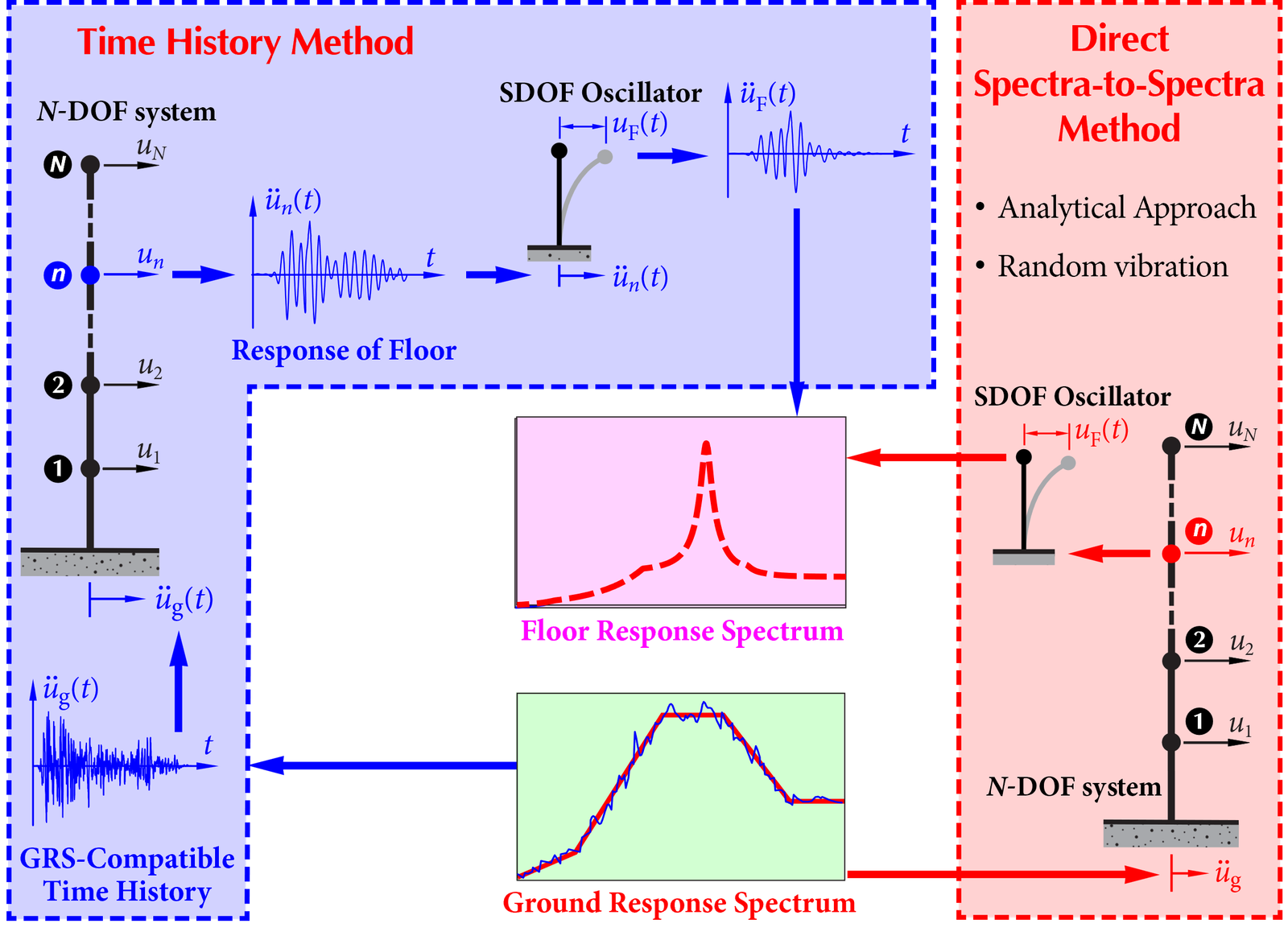
- Overhead Line Analysis & Uprating. Use PLS-CADD to assess conductor sag, tension, clearances, and thermal ratings, and evaluate how uprating and refurbishment affect loads on structures and foundations.
- Design Packages & Construction Support. Prepare calculations, specifications, and drawings, review foundation installation and conductor stringing plans within the civil scope, and provide construction support.
Representative Case · TL Route Selection and Foundation Design (Ontario & Quebec)
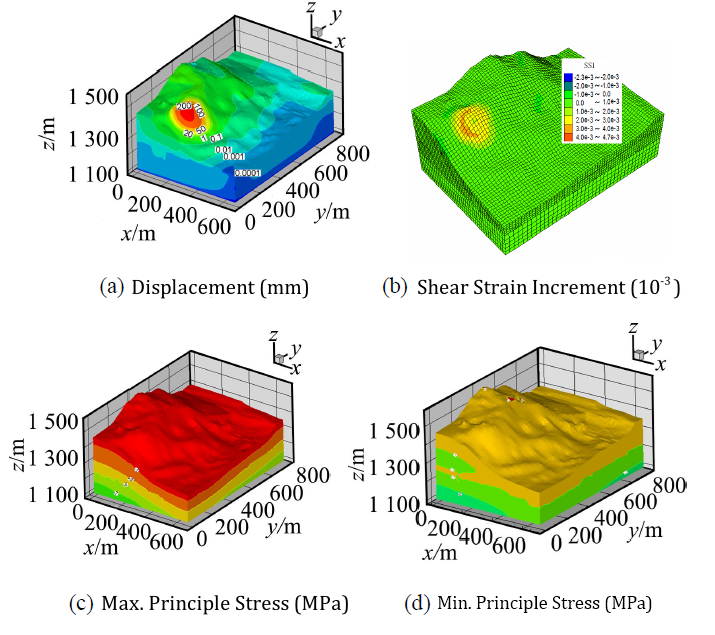
New and upgraded transmission corridors spanning Northern Ontario, the Greater Toronto Area (GTA), and Quebec crossed highly variable terrain—including Canadian Shield bedrock, wetlands, thick surficial soils, and urban corridor constraints—requiring route comparisons before route-specific boreholes were drilled.
Provided geotechnical input to route selection and carried the work through investigation planning, technical review, and foundation design.
Reviewed regional and corridor-scale engineering geology, hydrogeology, wetland distribution, and flood records, and developed a weighted scoring method to compare route alternatives. After route selection, prepared the geotechnical investigation scope of work, reviewed the investigation report, and established site-specific parameters for shallow and deep foundation design.
Delivered a documented geotechnical basis for comparing corridors and the foundation design package for the selected alignment.
Representative Case · Thermal Rating and Line Uprating Assessment (BC)
Existing overhead transmission circuits for BC Hydro required updated thermal rating assessments to evaluate whether higher operating temperatures and ampacity could be achieved safely without violating ground or obstacle clearances or overloading existing structures.
Carried out overhead line thermal rating analyses and evaluated civil, structural, and foundation demand implications for candidate uprating options.
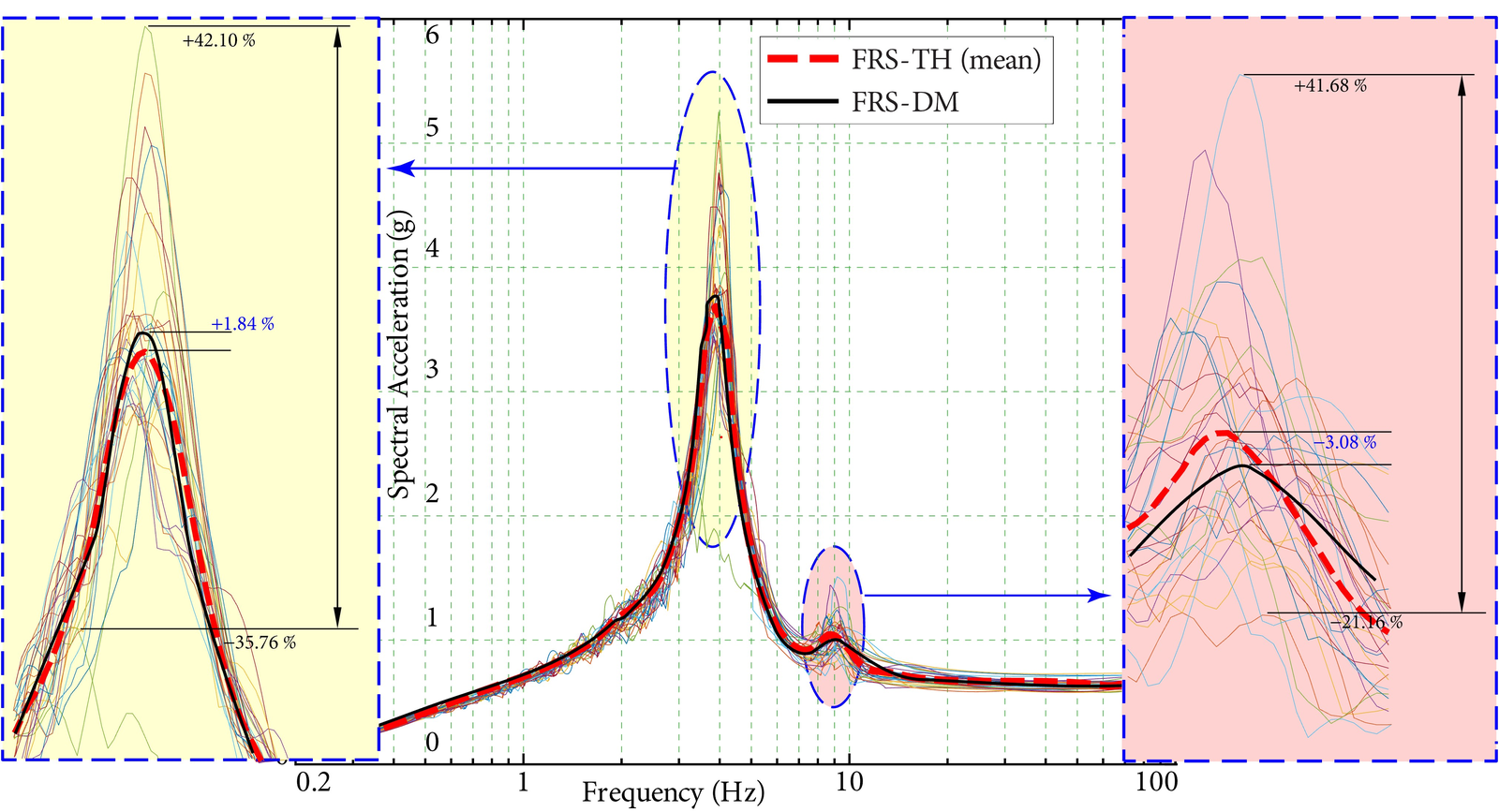
Modelled conductor sag–tension behaviour in PLS-CADD across governing climatic and high-temperature operating cases, verified ground, road, crossing, and phase clearances along the corridor, identified controlling spans and clearance pinch points, and assessed revised conductor loads transferred to supporting towers and foundations.
Delivered a documented thermal rating and clearance assessment identifying controlling spans, feasible uprating margins, and targeted civil/structural mitigation options to support asset-management decisions.